I used to think cruise travel was only for retirees until I tried to haul a 20kg suitcase through three different train transfers between Rome and Barcelona. Waking up in a new city without repacking is a luxury that actually makes sense for Europe travel when you calculate the soaring costs of high-speed rail and boutique hotels. After backpacking through 15 countries, I've realized that the Mediterranean is best seen from the deck, provided you know how to avoid the tourist traps hidden in the shore excursion brochures. In this guide, I'll break down the Western Mediterranean cruise routes versus the Eastern ones, how to navigate the Civitavecchia to Rome transfer without paying €150, and why a pre-cruise 1-night stay is non-negotiable for your sanity.
Choosing Your Route: Western vs. Eastern Mediterranean
Choosing between Western and Eastern Mediterranean routes depends on whether you prefer historical city-hopping or scenic island relaxation. Western routes focus on iconic cultural hubs like Barcelona and Rome, while Eastern routes highlight the Aegean beauty of Greece and Turkey. Both offer distinct experiences for the modern traveler.
The Western Mediterranean Cruise Route
The Western Mediterranean cruise route typically covers Spain, France, and the west coast of Italy. It is the most popular choice for first-timers because it hits heavy hitters like Paris (via Le Havre), Barcelona, and Rome. In Barcelona, the ship usually docks near Port Vell, which is incredibly convenient for walking straight into the Gothic Quarter. However, the downside is the crowds; during peak season in July, I waited 42 minutes just to get through the port security line.
The Eastern Mediterranean Cruise Route
The Eastern Mediterranean cruise route focuses on the Adriatic and Aegean seas, often departing from Venice or Athens. This is where you get the postcard-perfect views of Santorini and the historic charm of Dubrovnik. One major tip: when visiting Santorini, you will use tender boats to get from the ship to the shore. If you aren't among the first to get a ticket, you might lose 2 hours of your 8-hour port stay just waiting to disembark. I learned this the hard way and only had 4 hours left to explore Oia.
The Real Cost of All-Inclusive Cruising
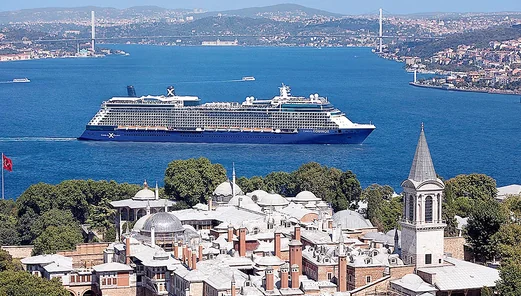
Most European cruises offer an all-inclusive base, but "hidden" costs like onboard tips, service fees, and satellite Wi-Fi can add 25% to your final bill. Understanding the credit card payment system and gratuity structures beforehand prevents checkout-day sticker shock. While food and basic entertainment are covered, the extras are where cruise lines make their profit.
Cabin Grade Cost-Effectiveness Comparison
When looking at cabin grade cost-effectiveness, an inside cabin is best for budget travelers who only sleep in their room, while a balcony is worth the extra 30% for routes like the Norway Fjords. In the Mediterranean, I found the balcony less necessary because I was off the ship 10 hours a day. However, for a river cruise on the Danube River, a French balcony is essential to see the castles passing by just meters away.
| Expense Category | Our DIY Strategy | Standard Mass Tour Approach |
|---|---|---|
| Shore Excursions | Local trains & free walking tours (€15-20) | Ship-organized bus tours (€120-180) |
| Onboard Connectivity | Local eSIM for port days (€20/month) | Onboard satellite Wi-Fi (€25/day) |
| Port Transfers | Regional trains & port shuttles (€5-12) | Private cruise line transfers (€80-110) |
Onboard Tips and Service Fees
Onboard tips and service fees are usually automatically charged to your linked credit card at a rate of $16 to $20 per person, per day. You can technically ask to adjust these at the guest services desk, but it is considered poor etiquette unless the service was genuinely subpar. Also, be aware of the formal night dress code; while some cruise line comparisons show a trend toward casual, most European sailings still expect a suit or cocktail dress for the main dining room on at least two nights.
"The demand for cruise travel is rising sharply as travelers seek more efficient ways to visit multiple European destinations without the logistical headache of traditional land travel." — Hana Tour
Shore Excursion DIY Tips: Saving Money in Port
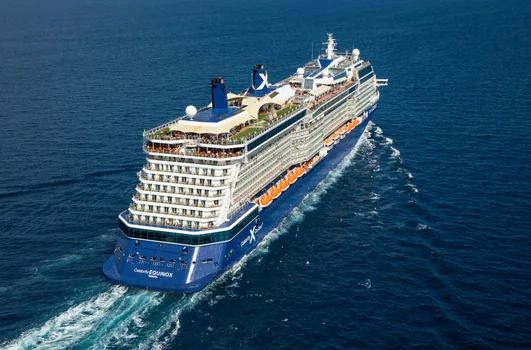
Booking ship-sponsored excursions is convenient but often costs triple the price of a DIY tour. Most ports are easily accessible via local shuttles or public transit if you research the terminal shuttle info and port layout in advance. I always look for a free walking tour near the port to get my bearings before exploring on my own.
Civitavecchia to Rome Transit
The Civitavecchia to Rome transit is the biggest hurdle for Western Med cruisers. The ship will offer a transfer for about €80 per person, but you can walk 15 minutes to the Civitavecchia train station and take the BIRG regional train for just €12. It includes all-day metro and bus use in Rome. Just be sure to head back at least 2 hours before the ship departs; I once saw a couple running down the pier as the gangway was being pulled up because their train was delayed by 30 minutes.
Safety and Health on the Water
European port cities have specific pickpocket types you should watch for, especially near the Colosseum in Rome or Las Ramblas in Barcelona. Keep your cruise card and passport in an internal pocket. For health, even if you don't usually get seasick, pack motion sickness bands. Crossing the Gulf of Lyon can be notoriously choppy, and the onboard medical center charges a premium for basic ginger tablets.
Planning Your European Cruise Voyage
- Move beyond simple Asia-centric routes and explore the diversity of the Eastern and Western Mediterranean.
- Address long-haul flight fatigue by booking business class or a pre-cruise 1-night stay to adjust to the time zone.
- Check if your Eurail pass offers discounts on port connection ferries or local trains.
- Pack a small power strip (non-surge) as older ships often have only one or two outlets in the cabin.
Conclusion

A cruise through Europe is an incredible way to see cities like London, Paris, and Rome without the stress of constant packing. By mastering the DIY port transit and being mindful of the onboard credit card system, you can experience a luxury vacation on a backpacker's logic. My biggest takeaway? Always book that 1-night stay before embarkation; the peace of mind knowing you won't miss the ship due to a flight delay is worth every penny.
Frequently Asked Questions
How much does a cruise trip cost?
It varies depending on the port of call and cabin class, but a 7-night, 8-day European cruise costs approximately 2,000,000 to 4,000,000 KRW per person. This includes basic accommodation, meals, and use of facilities, and airfare and port of call tour costs must be prepared separately.
Western vs. Eastern Mediterranean cruise recommendations?
If you want to enjoy glamorous cities and shopping such as Barcelona and Rome, we recommend the Western Mediterranean route. On the other hand, if you want to enjoy exotic resorts and historical sites such as Santorini and Dubrovnik, the Eastern Mediterranean route is much more satisfying.
What are the disadvantages of a cruise trip?
The biggest disadvantage is that the length of stay at the port of call is short due to the fixed departure time, making it difficult to explore the city in depth. In addition, you may feel slight seasickness depending on the size of the ship, and public facilities may be somewhat crowded during peak season.
What are some DIY tips for cruise port of call tours?
You can save more than 50% of the cost by choosing individual transportation using Google Maps instead of the cruise line's paid program. For ports close to the city center, such as Barcelona's Port Vell, using a walk or shuttle bus is the most time-efficient.
What is the difference between a river cruise and a Mediterranean cruise?
River cruises that pass through the Danube River, etc., are ideal for small groups to enter the city center and spend a leisurely schedule. On the other hand, Mediterranean cruises are fun to travel to various countries while enjoying the spectacular shows and various facilities of large ships.
Sources
- Hana Tour Market Analysis on Cruise Trends
- Personal experience from 15-country European backpacking and cruise expeditions.