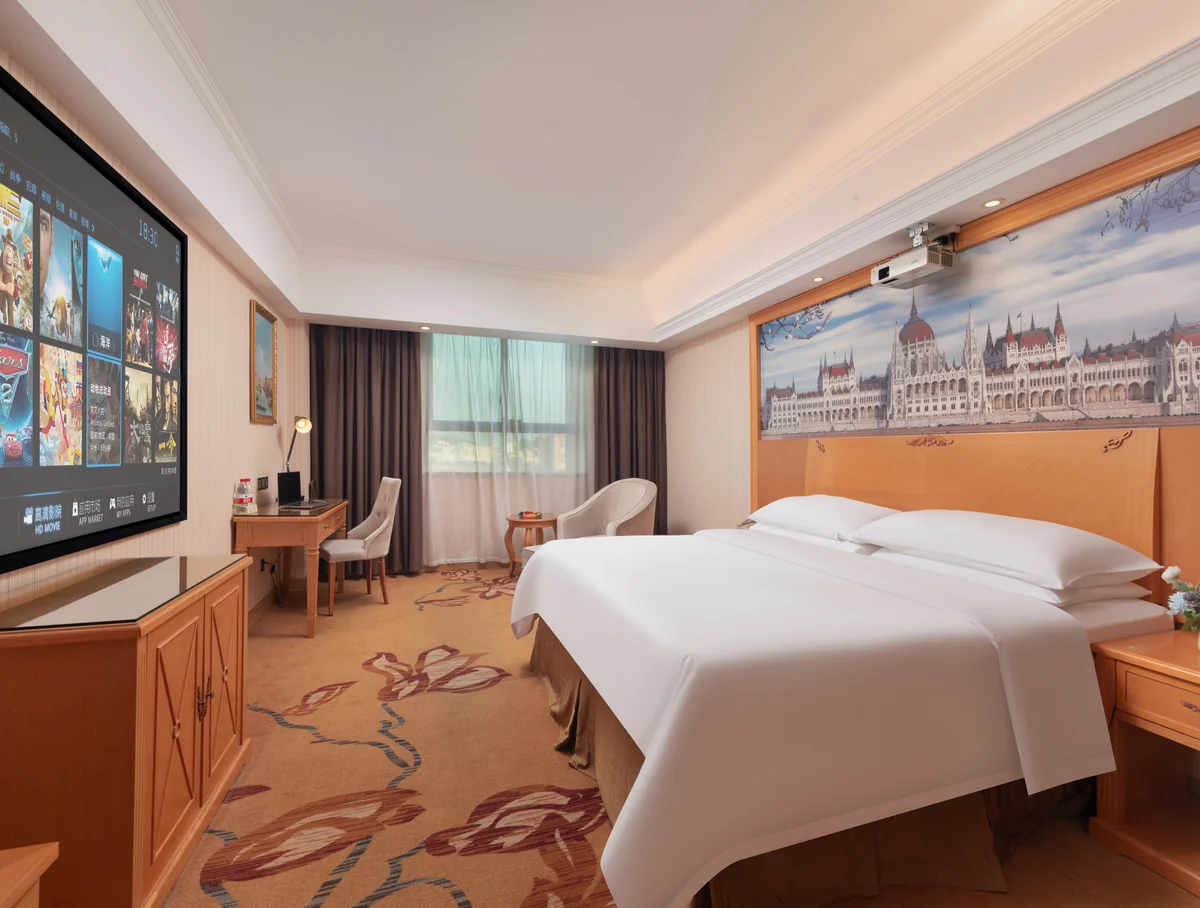
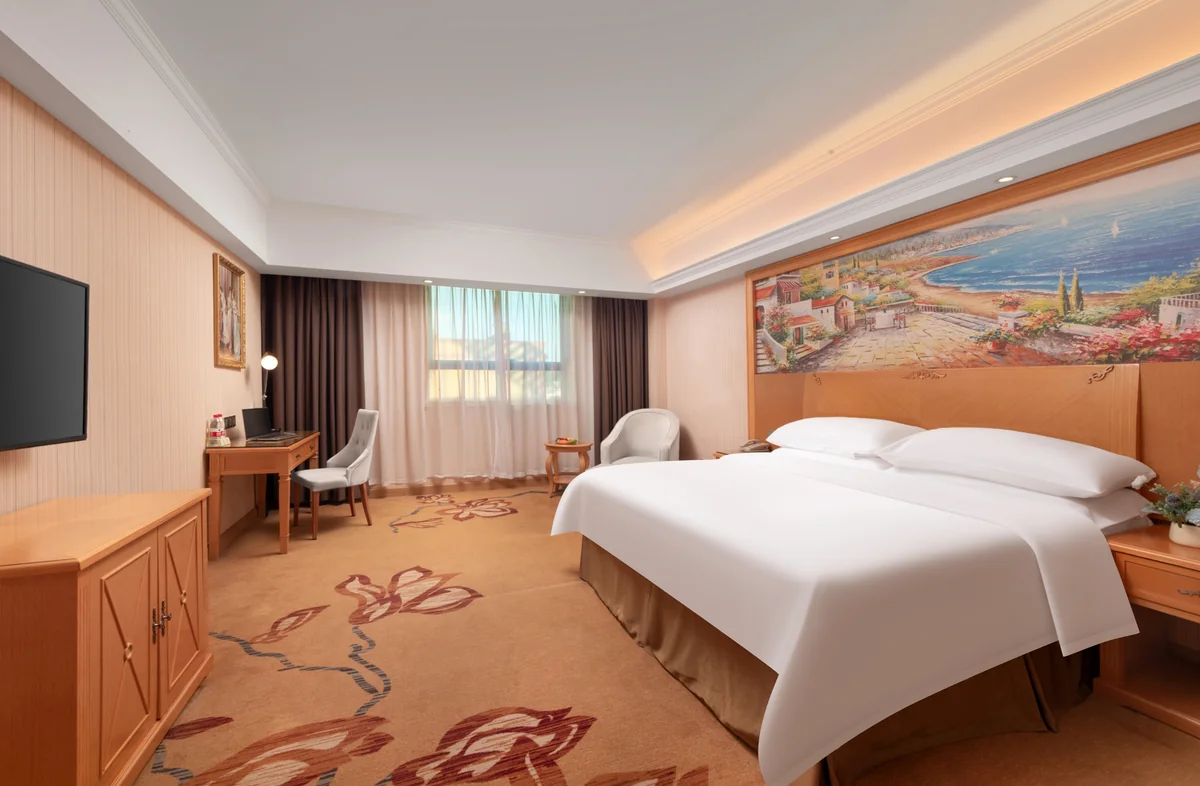
I once paid €145 for a tiny, windowless room near Gare du Nord in Paris just to catch an early morning departure. Three years later, I found myself staring at a brightly illuminated, towering European-style facade in the middle of a bustling Chinese city. The Vienna Hotel offers a strange but fascinating slice of a European vacation right in Guangdong. Having backpacked through 15 countries across the continent, my standards for budget stays are heavily influenced by the cramped quarters of historic capitals. Stepping into this property felt entirely different. From the unexpectedly spacious rooms to the surprisingly detailed murals of the Budapest Parliament building above the beds, it is a stark contrast to the typical cramped quarters you find when searching for affordable beds in Western capitals. Here is how this faux-European stay compares to the real deal, and what it taught me about managing Europe travel costs globally.
Analyzing Hostel vs Budget Hotel Cost Dynamics
The financial gap between shared dormitories and private budget rooms varies drastically depending on your geographical location. In major Western capitals, securing a private budget hotel room typically costs between €85 and €130 per night, whereas Asian budget chains provide private, spacious accommodations for roughly the price of a single European hostel bed.
When looking at budget accommodation reviews for cities like London or Rome, travelers quickly realize that privacy comes at a steep premium. You are often forced to choose between a €35 hostel bed with communal bathrooms or a €110 private room that barely fits your luggage. My stay at the Guangzhou property highlighted this disparity perfectly. The towering exterior dominates the night street, mimicking classical architecture, while the interior offers massive, comfortable bedrooms decorated with European artistic murals. You get the aesthetic of an old-world capital without the associated spatial limitations. This kind of value is incredibly rare when planning multi-city itineraries across the Schengen Area regulations zone. If you are relying on last-minute booking apps in France or Italy, you will rarely find this square footage for under €150.
Navigating Transit and High-Speed Rail Networks
Efficient transportation planning requires balancing cost against transit time, especially when moving between major hubs. Booking high-speed rail networks 4 to 6 weeks in advance generally offers the best value, while relying on regional transit passes saves significant daily commuting funds.
Whether you are trying to reach a suburban hotel in Guangzhou or connecting from Amsterdam to Brussels, transit logistics make or break your budget. In my experience, deciding between Budget Airlines vs Train travel comes down to hidden fees. A €19 flight often turns into €80 once you factor in strict carry-on luggage restrictions and airport transfers. Conversely, using an Eurail Pass or booking night train routes saves you a night of accommodation while moving you directly between city centers. Always secure your public transportation passes immediately upon arrival to avoid individual ticket markups.
Security, Scams, and Everyday Savings

Protecting your belongings and managing daily expenses requires proactive habits rather than reactive panic. Implementing specific pickpocket prevention tips and utilizing local supermarkets can reduce your daily incidental spending by up to 45 percent.
The sheer scale of the cozy yet expansive bedrooms I experienced made me reflect on the claustrophobic security measures I take in crowded tourist hubs. In major squares, tourist scam warnings are a daily reality. My primary defense involves using a money belt hidden under layers and never leaving a phone on a cafe table. You do not have to worry about this as much in your hotel room, but the moment you step out, vigilance is key.
- Food costs: Local grocery savings are substantial; buying fresh bread and cheese from a neighborhood market costs a fraction of a sit-down meal.
- Hydration: Always carry a reusable bottle to take advantage of free city water fountains, which are abundant in places like Italy and Switzerland.
- Guided activities: When you take excellent tip-based walking tours, remember the European tipping etiquette—a €10 to €15 contribution is generally expected for a quality 2.5-hour session.
- Connectivity: Ensure your European SIM cards are topped up so you can navigate away from tourist traps and find those hidden local spots.
Maximizing Free Perks and Travel Insurance Coverage
Leveraging complimentary access days and knowing your passenger rights can salvage a strained travel budget. Tracking scheduled free entry days for major attractions and understanding airline compensation rules allows you to reallocate funds toward better meals or upgraded accommodations.
I waited 3 hours to enter the Louvre on a Tuesday in March before I learned about the Passage Richelieu entrance—no line, same ticket, 45 seconds to get in. Nobody talks about this hidden access point. Similarly, timing your visits to align with Free Museum Days or off-peak travel benefits can save you €20 to €30 per UNESCO World Heritage Sites visit. If things go wrong, such as a delayed flight from Frankfurt to Asia, knowing you are entitled to EU 261 compensation can net you up to €600. Always ensure your travel insurance coverage includes trip interruption, and familiarize yourself with the VAT refund process before heading to the airport to reclaim taxes on larger purchases.
Frequently Asked Questions

Q: How do European budget hotels compare to Asian mid-range chains?
A: Asian mid-range chains typically offer significantly larger rooms and more modern amenities for a fraction of the cost. A €40 room in Guangzhou might feature spacious layouts and large beds, whereas the same price in Paris usually only secures a single hostel bed.
Q: What is the most effective way to prevent pickpocketing in crowded areas?
A: Keep your valuables in a hidden money belt underneath your clothing, and never store your phone or wallet in your back pockets. Additionally, remain highly vigilant near major transit hubs and popular tourist landmarks where distractions are common.
Q: Should I buy a rail pass or individual train tickets?
A: It depends entirely on your specific itinerary. Fast-paced trips covering multiple countries in a few days benefit from a pass, while slower journeys or routes utilizing budget airlines often make individual tickets more economical.
Finding value in travel means looking beyond the obvious tourist corridors. Whether you are admiring a surprisingly detailed mural in an affordable hotel room or navigating the complex rail systems of Western Europe, the principles of smart travel remain identical. Book your transit early, guard your valuables carefully, and never underestimate the savings found in local grocery stores.